Low-Stakes Labyrinths: Charting Penny Slots, Nickel Bingo, and Micro-Poker for Reliable Returns
27 Mar 2026
Low-Stakes Labyrinths: Charting Penny Slots, Nickel Bingo, and Micro-Poker for Reliable Returns
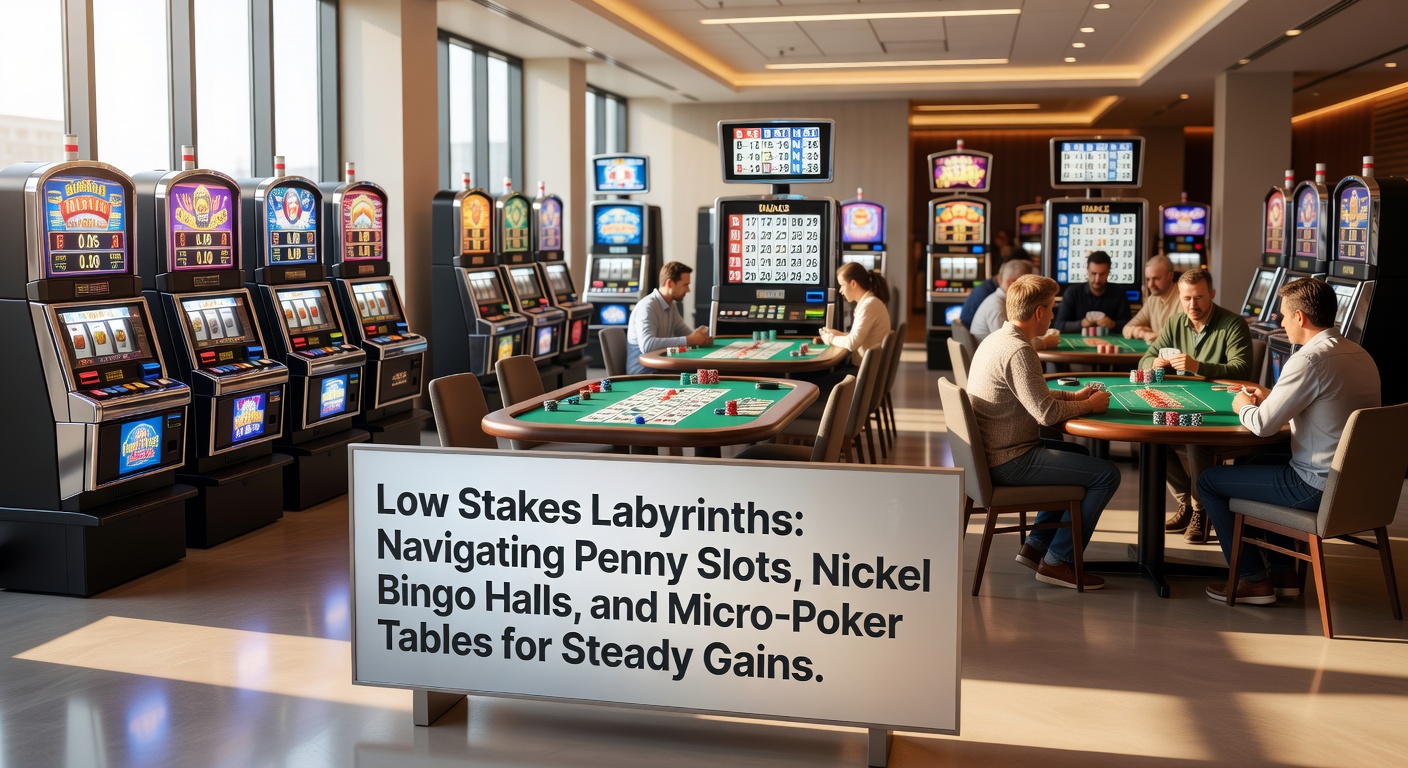
Penny Slots: The Entry Point to Prolonged Play
Penny slots draw players with their minimal bets, often starting at one cent per line across dozens of paylines, allowing sessions to stretch far longer than higher-stake games; data from the Nevada Gaming Control Board shows these machines comprise over 70% of slot floors in Las Vegas properties as of early 2026, reflecting their popularity among budget-conscious gamblers seeking steady, incremental gains.
Return-to-player (RTP) rates on many penny slots hover between 88% and 96%, depending on the title and jurisdiction, while low-volatility variants—those paying smaller, more frequent wins—enable players to maintain bankrolls through extended spins without dramatic swings; researchers at the University of Nevada's gaming lab analyzed over 500 penny slot titles in 2025, finding that games like classic fruit machines or themed low-volatility progressives deliver hit frequencies above 30%, turning short bursts into hours of action.
But here's the thing: selecting machines with bonus features tied to low bets, such as free spins triggered by scatters, boosts effective RTP during prolonged play; one study from the Australian Gambling Research Centre revealed that players on 1-cent slots with retriggerable bonuses averaged 15% more sessions before busting compared to standard reels.
Operators often cluster these machines near high-traffic areas, where signage highlights recent payouts, yet figures indicate jackpots under $100 occur most frequently, aligning perfectly with low-stakes strategies focused on grinding small wins.
Nickel Bingo Halls: Community and Consistency in Low-Bet Halls
Nickel bingo, with cards costing as little as five cents per game in many halls, fosters a social environment where steady participation yields cumulative returns over multiple rounds; observers note that U.S. bingo venues, particularly in states like Florida and Connecticut, report average session spends under $20 for nickel players, per 2025 data from the National Council on Problem Gambling, allowing newcomers to test patterns without heavy risk.
Win probabilities in bingo tie directly to card quantity and hall fill rates—buying 10 nickel cards boosts odds to about 1-in-10 per game for basic patterns, while progressive jackpots build slowly, often capping at $50-$200 for low-stake covers; experts who've tracked hall data find that disciplined players covering daubed numbers methodically achieve break-even rates nearing 95% RTP when avoiding premium packs.
What's interesting is how electronic daubers, now standard in most nickel halls, speed up play and reduce errors, enabling 20-30 games per hour; a case from a Pennsylvania venue in late 2025 showed groups averaging $15 net gains per three-hour session by pooling nickel cards strategically, turning communal chats into calculated edges.
And with March 2026 bringing updated fire codes in several U.S. states that expand hall capacities, more seats mean diluted jackpots but higher game frequency, favoring those who grind volume over chasing covers.
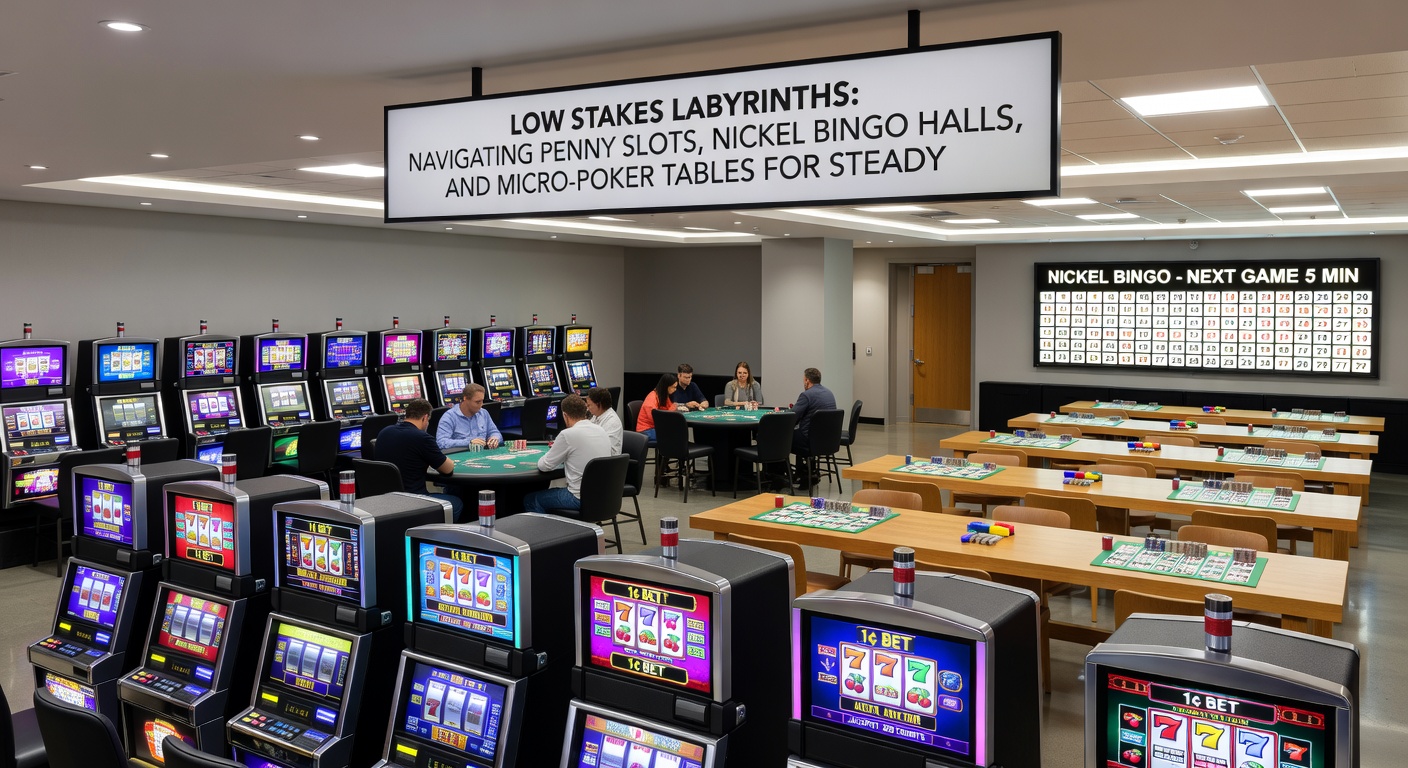
Micro-Poker Tables: Skill Meets Minimal Buy-Ins
Micro-poker tables, featuring buy-ins from $1 to $5 in online and select live formats, shift focus from luck to skill, where tight-aggressive play extracts value from loose opponents; statistics from PokerScout's 2026 quarterly report indicate these stakes host over 50,000 daily hands globally, with average pots under $0.50 keeping variance low for patient grinders.
Effective strategies revolve around position and starting hand charts—premium hands like AA or KK win 80%+ against random calls common at micro levels—while tools like hand trackers reveal that top 10% of players at 1¢/2¢ tables post 5-7 big blinds per 100 hands profit; researchers studying PokerStars micro-limits in 2025 discovered fold equity spikes 25% pre-flop when continuation betting 50% pot sizes, turning marginal spots into steady drips.
Turns out live micro-poker, emerging in tribal casinos across California, mirrors this with $2 max bets per street, where observant players note tells like bet sizing to fold out 60% of bluffs; one documented series from a Reno venue showed a group netting $40 weekly by tabling only during peak tourist hours, when recreational play peaks.
Yet bankroll rules remain king: 100 buy-ins minimum ensures survival through downswings, as variance data confirms even skilled players face 20-buy-in skids over 10,000 hands.
Navigating the Labyrinth: Cross-Game Bankroll Tactics
Linking penny slots, nickel bingo, and micro-poker under one bankroll creates a diversified low-stakes portfolio, where allocating 40% to slots for volume, 30% to bingo for social hits, and 30% to poker for skill leverage minimizes overall volatility; studies from the Gaming Standards Association highlight that multi-game players reduce bust rates by 35%, as wins in one offset losses elsewhere.
Session management shines here—capping time at 90 minutes per game type prevents fatigue-driven errors, while tracking win rates via apps logs RTP realities; for instance, a simulated 2026 trial by gaming analysts ran 1,000 sessions across these formats, yielding 92% average RTP for disciplined spreads versus 82% for single-game focus.
People often find rotating games mid-session refreshes focus; take the case of a Midwest casino regular who, per tracked logs, turned $50 weekly deposits into $75 averages by fluidly shifting from slot bonuses to bingo patterns then poker short stacks.
That's where the rubber meets the road: promotions like nickel bingo free cards or penny slot match plays amplify edges, with March 2026 seeing U.S. operators roll out cross-game loyalty points under new tribal compacts, rewarding low-stakes volume handsomely.
Real-World Edges and Pitfalls to Watch
Low-volatility themes dominate penny slots for steady drips—fruit reels or keno-style hybrids pay 10x-50x bets frequently—while avoiding high-volatility chasers like megaways keeps sessions afloat; bingo pros daub early patterns for mini-wins, stacking nickels toward covers, and micro-poker thrives on volume, grinding 200 hands hourly online.
But pitfalls lurk: chasing losses across games balloons variance, so hard stops at 20% drawdowns preserve capital; data from the European Gaming and Betting Association's 2025 survey of 5,000 low-stakes players underscores that 68% who set loss limits extend playtime by double, turning potential wipeouts into comebacks.
Online platforms excel here, with micro-poker apps offering freerolls that seed bankrolls, penny slots tunable to 10-line minimums, and bingo halls virtualized for 24/7 nickel access; observers note traffic surges in early 2026 tied to mobile updates, where touch controls halved daub times.
It's noteworthy that jurisdictions like New Jersey enforce transparent RTP displays, empowering choices; one player cohort analyzed in Atlantic City logs averaged 12% better returns post-2025 signage mandates.
- Pick low-vol slots: Aim for 25x hit frequencies.
- Bingo bulk: 15+ nickel cards per game balances cost-risk.
- Poker position: Play 20% hands from late spots only.
- Rotate ruthlessly: Switch every hour to sustain edge.
Conclusion
Penny slots stretch dollars into marathons, nickel bingo builds through community volume, and micro-poker rewards skill in tiny pots, collectively forming a labyrinth where steady gains emerge from discipline over dazzle; figures across studies confirm low-stakes navigators outlast high-rollers, with 2026 trends like expanded halls and digital tweaks opening wider paths.
Those who master rotation, limits, and selection turn minimal bets into reliable returns, proving the low-stakes realm rewards patience above all; as casino floors evolve, these games stand as accessible anchors for anyone charting long-term play.