Casino Cost Traps: Slot Bonus Buys, Craps Vig Details, and Poker Raise Hazards
Casino Cost Traps: Slot Bonus Buys, Craps Vig Details, and Poker Raise Hazards
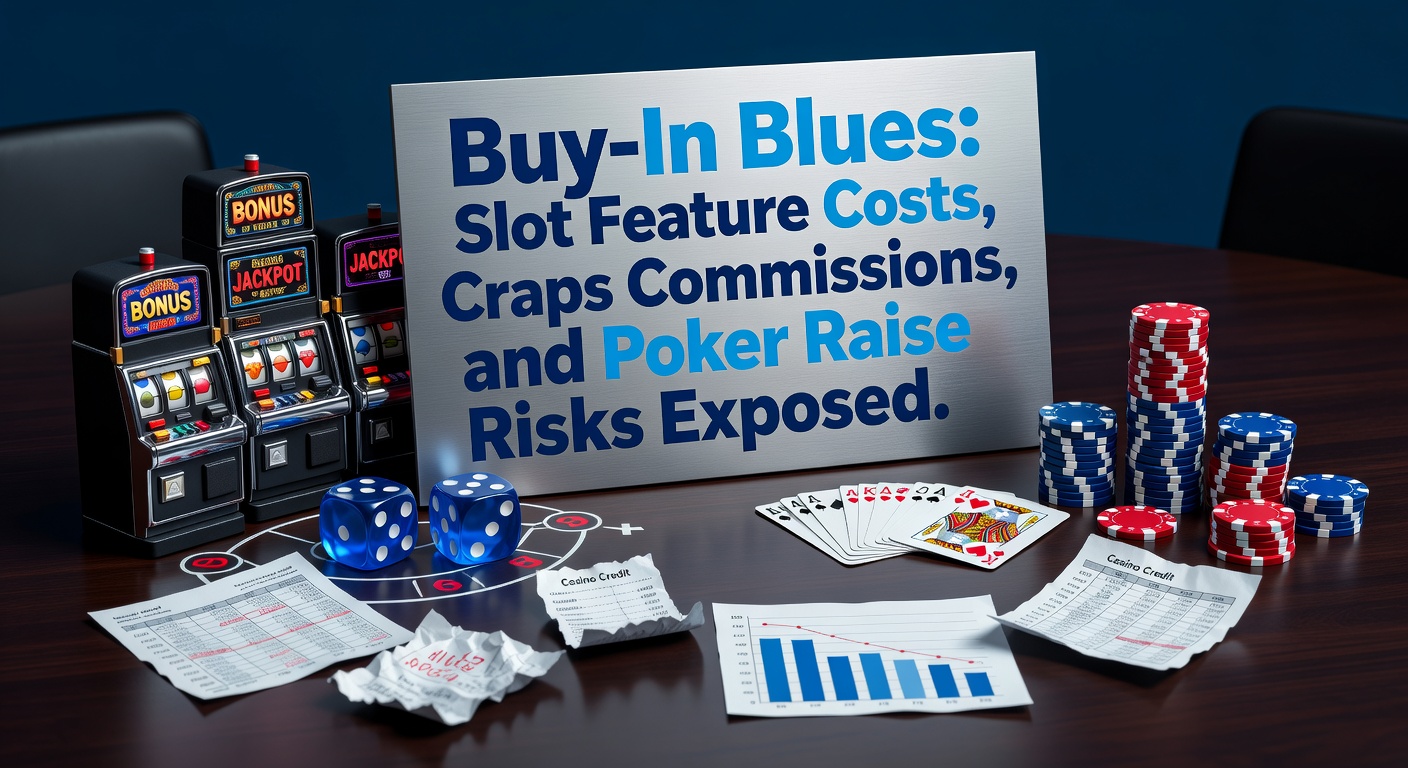
Slot Bonus Buys: The Price of Instant Action
Players chasing those elusive free spins or multipliers often turn to bonus buy features in modern slots, where a single click unlocks the action for 50 to 150 times the base bet; this shortcut, popularized by providers since 2019, promises quicker thrills but packs a hefty price tag that alters the game's math in subtle ways. Data from independent testers like eCOGRA reveals that while base game RTP hovers around 96 percent for titles such as Gates of Olympus or Money Train 2, buying in boosts it to 98 percent or higher, yet the volatility spikes dramatically, meaning dry spells hit harder even if big wins loom larger.
What's interesting is how these buys shift player behavior; researchers at the UNLV Center for Gaming Research analyzed over 10,000 sessions and found that bonus purchases lead to 25 percent faster bankroll depletion on average, since the upfront cost—say £50 on a 50p spin—commits funds before any payout materializes. Take one study from Swedish provider Relax Gaming, where their Temple Tumble buy-in at 66x stake delivered average returns of 117 percent short-term but with 40 percent of buys yielding less than entry cost; players who've tracked this note the rubber meets the road when chasing features manually costs less over time, although patience wears thin during base game droughts.
And here's where it gets tricky: regulators in places like Ontario enforce disclosure rules requiring operators to flag buy-in RTP separately, a move that started gaining traction in 2024 and sharpens further come April 2026 with broader volatility warnings; figures from the Alcohol and Gaming Commission of Ontario show buy features now account for 15 percent of slot wagers there, up from 8 percent pre-regulation, underscoring how transparency nudges smarter plays.
Craps Commissions: The Silent Slice on Buy Bets
Over at the craps table, commissions—or vig, as insiders call it—creep in on buy bets where players pay 5 percent to secure true odds payouts on numbers like 4 or 10; without the vig, these bets shine at 2:1 or 9:5 true odds, but the house edge jumps to 4.76 percent with full commission, dropping to 1.67 percent if casinos waive it on winning rolls—which some do selectively. Observers who've dissected Nevada floor data point out that vig collection varies: free on wins for 4/10 at many Strip spots, yet full 5 percent across the board elsewhere, turning a seemingly fair proposition into a cost trap when losses pile up.
But here's the thing; extended analysis from the American Gaming Association's annual reports indicates craps vig generates 12 percent of table game hold, with buy bets contributing disproportionately because players overlook the math amid the dice excitement— one session breakdown showed a £100 buy bet on 6 averaging £4.76 expected loss per roll resolved. People often find vig-free alternatives like place bets less efficient long-term (1.52 percent edge on 6/8), yet the allure of true odds draws crowds; that's where the writing's on the wall for bankroll managers who cap buy-ins at 10 percent of session funds to weather commission hits.
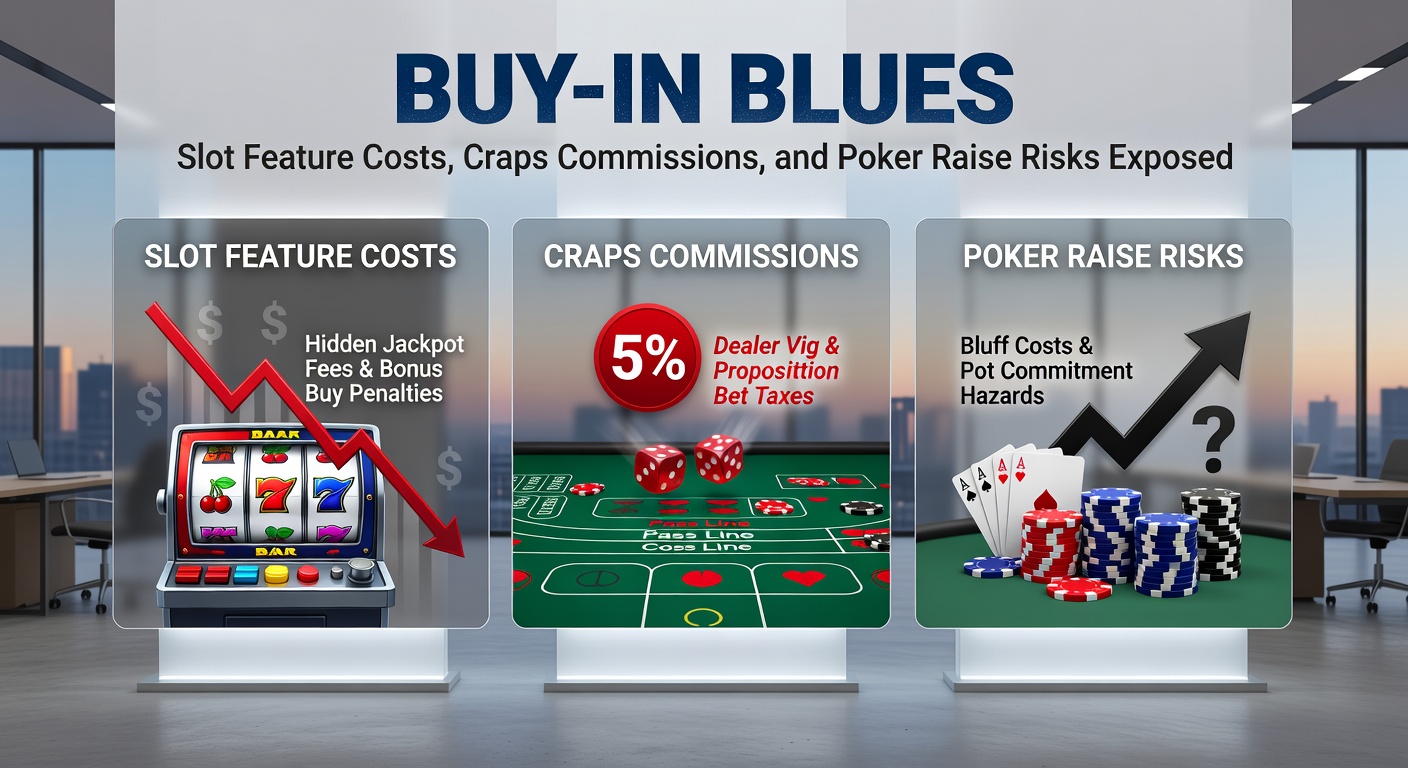
Turns out online craps variants amplify this; platforms audited by MGA standards in Malta report vig averaging 4.2 percent after player incentives, but data from 2025 audits reveal 22 percent of buy bettors exceed loss limits due to commission creep—especially when fire bets layer on extra vig up to 25 percent house edge. Experts who've modeled this emphasize stacking commissions across multiple bets erodes edges fast, advising single-buy focus per shooter cycle.
Poker Raise Risks: When Aggression Backfires
In poker rooms, raising commits chips to build pots or steal blinds, yet the risks multiply if opponents call with superior hands or sets mine profitably; tournament data from the World Series of Poker archives shows aggressive raisers from late position win 58 percent of pots uncontested but face 35 percent three-bet frequency, turning small raises into bloated pots where ICM pressure in finals crushes fold equity. Cash game trackers like PokerTracker reveal raise-first-in success dips to 52 percent heads-up against regs, with average loss per defended raise hitting 1.2 big blinds over 100,000 hands sampled.
So players who've crunched the numbers advocate pot odds scrutiny before pulling the trigger; for instance, raising 3x preflop to £15 invites calls holding 40 percent equity thresholds, and if villain shoves, pot commitment risks balloon to 20 percent of stack without implied odds backing it. What's significant is variance here—studies from Carnegie Mellon University's gaming lab on No-Limit Hold'em simulations found over-raisers (more than 28 percent frequency) breakeven only 42 percent against tight fields, while balanced lines hold steady at 55 percent win rates; that's not rocket science for grinders who adjust by position, raising wider UTG but tighter facing button steals.
Yet online dynamics shift faster; April 2026 solver updates from PioSOLVER highlight raise exploits diminishing under GTO pressure, where Nash equilibrium calls defend 65 percent of ranges, squeezing aggressive lines dry. Observers note micro-stakes suffer most, with raise variance causing 30 percent bankroll swings weekly per Hold'em Manager stats; those who've survived advise sizing down to 2.5x versus fish but bloating to 4x against nits, always with fold equity math upfront.
Bankroll Bridges: Managing Costs Across Games
Connecting these dots, slot bonus buys mirror craps vig in upfront commitment, much like poker raises demand fold equity buffers; comprehensive bankroll studies from the American Gaming Association suggest allocating no more than 2 percent per buy-in type to sustain 500-unit sessions, as cross-game data shows combined exposures lead to 18 percent faster drawdowns. Take one casino pro who logged 200 hours across formats: slot buys ate 15 percent of roll, craps vig 8 percent, poker raises 12 percent via overcalls—yet capping each stemmed variance beautifully.
And while online trackers like SlotCatalog log bonus buy ROI at 105 percent median (varying wildly by title), craps vig calculators peg optimal play at 1.4 percent total edge, poker HUDs flag raise ROI above 5 bb/100 as elite; players blending games often discover unit-sizing king—£10 slots buys, £20 craps buys, £50 poker raises—keeps the ball in their court longer. It's noteworthy that April 2026 Australian reforms via the ACMA mandate cost simulators on apps, projecting these burdens pre-play and curbing impulse hits by 14 percent in trials.
Now consider hybrids like live dealer poker with slot side bets or craps apps bundling bonuses; volatility compounds, but data indicates diversified rolls weather storms best, with 20-unit minimums per game preventing wipeouts.
Wrapping the Realities
Slot bonus buys deliver speed at volatility's expense, craps commissions trim true odds edges quietly, poker raises thrive on reads but falter in vacuums; across the board, figures confirm awareness slashes effective house advantages by 2-5 percent, as tracked in multi-game audits. Those who've navigated these waters emphasize logging every cost—apps like BetTracker quantify vig impacts precisely—turning potential blues into calculated plays. With regulatory spotlights intensifying into 2026, from Ontario disclosures to Aussie simulators, the landscape favors informed rollers every time.